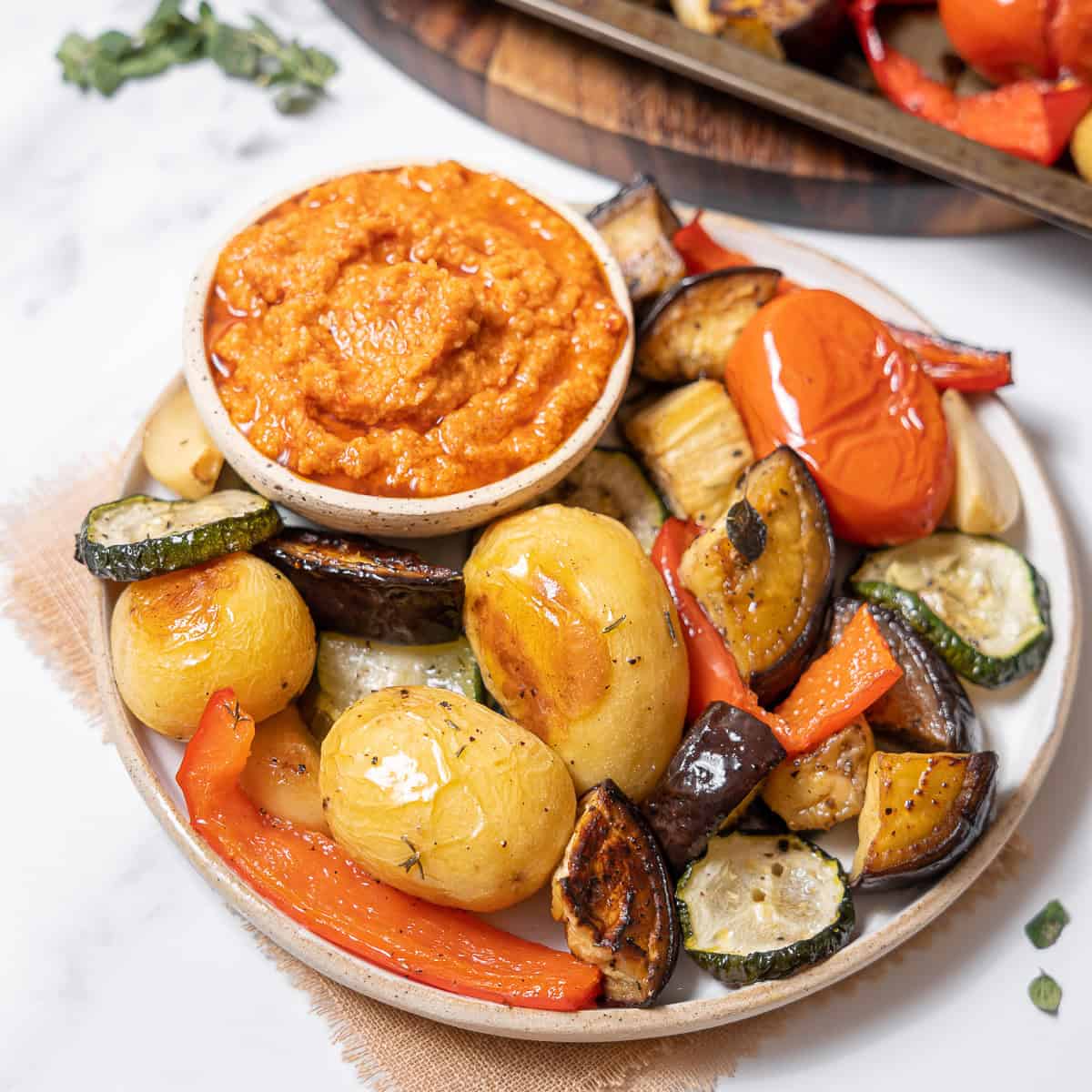
Mastering the Art of Mediterranean Roasted Vegetables: Achieving Perfect Caramelization Every Time
There's a special kind of culinary magic that happens when fresh vegetables meet the high heat of an oven, especially when infused with the vibrant flavors of the Mediterranean. The rich aroma, the tender interior, and the star of the show – those irresistibly sweet, slightly charred, caramelized edges – transform simple produce into a dish that's both comforting and gourmet. Mediterranean roasted vegetables are not just a side; they're a celebration of flavor, texture, and natural goodness, versatile enough to grace any meal. Achieving that coveted caramelization, however, isn't always intuitive. Many home cooks struggle with veggies that come out steamed, soggy, or unevenly cooked. This comprehensive guide will walk you through the essential techniques and common pitfalls to avoid, ensuring your next batch of Mediterranean roasted vegetables is a triumph of golden-brown perfection. Prepare to unlock the full potential of your produce and make this simple yet spectacular dish a regular in your repertoire.The Foundation of Flavor: Selecting and Prepping Your Produce
Great Mediterranean roasted vegetables begin with great ingredients. The quality of your produce directly impacts the final flavor and texture, so prioritize freshness and seasonality whenever possible.- Choosing Your Veggies: Some vegetables are naturally better suited for roasting due to their texture and sugar content. Your go-to list for consistent success includes:
- Eggplant: Absorbs flavors beautifully and gets wonderfully tender.
- Bell Peppers (any color): Sweeten significantly when roasted, offering a pop of color.
- Red Onions: Transform into sweet, mellow pockets of flavor.
- Zucchini: Roasts evenly without becoming overly mushy, provided it's cut correctly.
- Cherry Tomatoes: Burst with concentrated sweetness when roasted.
- Uniform Cutting is Crucial: This is a non-negotiable step for even caramelization. Vegetables cut into different sizes will cook at different rates. Large chunks will remain raw while smaller pieces burn. Aim for roughly 1 to 1.5-inch pieces for most vegetables (cubes, wedges, or thick slices). Cherry tomatoes can be halved or left whole, as their thin skin helps them cook quickly.
- Washing and Drying: After washing your vegetables thoroughly, pat them completely dry with a clean kitchen towel or paper towels. This step is critical! Any residual moisture on the surface of the vegetables will create steam in the hot oven, hindering the caramelization process and leading to soggy results instead of crispy, browned edges. Think of it like trying to fry food in a wet pan – it just won't brown properly.
The Art of Seasoning and Oiling for Golden Perfection
Once your vegetables are prepped, it's time to infuse them with those classic Mediterranean flavors and prepare them for their journey to caramelization.- The Role of Olive Oil: Extra virgin olive oil is the heart of Mediterranean cuisine, and it plays a vital role in roasting. It not only imparts its signature fruity, peppery notes but also acts as a conductor of heat, helping the vegetables brown and crisp. Use enough olive oil to coat every piece lightly without drenching them. The goal is a light sheen, not a swimming pool. Too little oil and your vegetables might stick and dry out; too much, and they can become greasy. As a general guideline, 2-3 tablespoons for a large sheet pan of vegetables is often sufficient. If you're aiming for higher-heat roasting (above 425°F/220°C) or prefer a more neutral flavor, avocado oil is an excellent alternative due to its higher smoke point.
- The Mediterranean Flavor Profile: A balanced seasoning blend is what transforms simple roasted vegetables into a Mediterranean masterpiece. Don't be shy with your seasonings; vegetables can absorb a surprising amount of flavor.
- Salt: Essential for bringing out the natural sweetness and enhancing all other flavors. Use a good quality coarse sea salt or kosher salt.
- Black Pepper: Adds a gentle warmth and aromatic kick.
- Dried Herbs: Oregano, thyme, and rosemary are staples. Garlic powder or granulated garlic is also a must for that savory depth. These dried spices can be added at the beginning, as their flavors deepen with roasting.
- Fresh Herbs: For a vibrant burst of flavor and color, fresh herbs like basil, parsley, or dill are best added after the vegetables are roasted. The heat would diminish their delicate aromas.
Oven Dynamics: Heat, Space, and Timing for Optimal Caramelization
The oven is where the real magic happens, but only if the conditions are right. Mastering these three elements is key to achieving that desired caramelization.- Temperature is Key: For proper caramelization (the Maillard reaction, which creates those deep, complex flavors and browned crust), a high oven temperature is crucial. Anything under 400°F (200°C) risks steaming your vegetables rather than roasting them. Aim for 400°F (200°C) to 425°F (220°C). Ensure your oven is fully preheated before introducing the vegetables. Using a reliable oven thermometer can help verify your oven's actual temperature.
- The Overcrowding Trap: This is arguably the most common mistake home cooks make. When you overcrowd a baking sheet, the vegetables release moisture, and there isn't enough space for that moisture to evaporate. This creates a steamy environment, effectively boiling or steaming your vegetables instead of roasting them. They won't brown, they'll become soggy, and that beautiful caramelization will be a distant dream. The solution is simple: use multiple baking sheets if necessary, ensuring the vegetables are spread in a single layer with ample space between each piece. Air circulation is your friend!
- Flipping/Stirring Halfway: For even browning and caramelization on all sides, it's essential to flip or stir your Mediterranean roasted vegetables halfway through the roasting process. This exposes different surfaces to the direct heat of the pan and the oven's hot air, ensuring a consistent texture and color throughout the batch.
- Roasting Time: While a general guideline is 25-30 minutes, the exact time will vary based on your oven, the type of vegetables, and how large they are cut. Instead of rigidly sticking to a timer, look for visual cues: the vegetables should be tender when pierced with a fork, and most importantly, they should have beautifully browned, caramelized edges.
- Parchment Paper: Lining your baking sheet with parchment paper is a simple trick that pays dividends. It prevents sticking, makes cleanup a breeze, and promotes even heating for better caramelization.
Troubleshooting Common Mistakes and Elevating Your Dish
Common Mistakes to Avoid:
- Under-seasoning: Vegetables are hardy and can handle generous seasoning. Don't be afraid of salt, pepper, and herbs. A bland vegetable is a missed opportunity.
- Not drying vegetables: As discussed, moisture is the enemy of caramelization. Always pat your veggies dry.
- Low oven temperature: If your oven isn't hot enough, you'll end up with soft, cooked vegetables, but without that desirable crispness and caramelized depth. Stick to 400-425°F.
- Not flipping/stirring: Neglecting to turn your vegetables will result in uneven cooking and browning. Make sure all sides get a chance to kiss the hot pan.
Elevating Your Mediterranean Roasted Vegetables:
- Add Aromatics: Toss in a few unpeeled garlic cloves with your vegetables. They'll roast into sweet, spreadable morsels of flavor.
- A Zesty Finish: A squeeze of fresh lemon juice or a drizzle of good quality balsamic glaze (added after roasting) can brighten and enhance the flavors.
- Garnish for Impact: Fresh herbs like chopped parsley or basil, a sprinkle of crumbled feta cheese, or a handful of toasted pine nuts can add an extra layer of flavor and visual appeal.
- Versatile Pairings: These mediterranean roasted vegetables are incredibly versatile. They shine as a vibrant side dish to grilled chicken, fish, or lamb. They can be a light and satisfying main course served over fluffy quinoa, couscous, or pasta. They are also fantastic for meal prep, reheating beautifully for quick lunches throughout the week. For a comprehensive guide on ingredient selection and step-by-step instructions, check out How to Make Perfect Mediterranean Roasted Vegetables: A Versatile Guide. If you're looking for a specific recipe to get started, our Unlock Flavor: The Best Mediterranean Roasted Vegetable Medley Recipe provides a fantastic blueprint. They're naturally vegan, gluten-free, and packed with nutrients, making them a healthy choice for any diet.
